


Recurring classes in Birmingham, Michigan
A class path that grows with your child.
For 15 years, we’ve served over 100,000 students with a simple philosophy: meet students where they are, then help them build skills and confidence by successfully completing projects that create a rewarding "aha" moment. Each class is organized around a clear age or grade range, featuring educators who help beginners get started while giving returning students room to take on more responsibility. We know kids love LEGO so we use LEGO Technic to teach engineering and robotics. We know kids love video games, so we tap into that to teach coding and game design.
Monthly in-person classes
How our classes work.
Students meet weekly, three weeks each month. Every class combines hands-on projects, small-group instruction, and support from educators who help students work through challenges without taking over.


Small groups, real support
An 10-to-1 student-to-educator ratio gives each student room to ask questions, troubleshoot, and grow more independent.
Hands-on every week
Students build, code, test, and play with projects using The Robot Garage equipment and materials.

Projects designed for each program
Drawing on years of teaching experience, we tailor project type and pace to each class. As students progress, we introduce more complex builds and concepts. Our goal is continued learning, engaging challenges, and minimal frustration.
Class Schedule
Find your child's program below, then choose the day and time that works for your family. Schedules and availability may change during the year.


Ages 4 to 6
Young Engineers
A motor turns. The gears begin to move. A project that was only a pile of parts a few minutes ago suddenly comes alive. Young Engineers gives children an early, hands-on introduction to mechanical systems through three guided projects each month.
Students work with LEGO Technic gears, motors, battery packs, to build simple machines. Projects are broken into age-appropriate steps, so that the finished mechanism gives children something real to investigate. Once the build is complete, the class continues to investigate how a small change such as the size of a gear will affect the build.
Class details
Three one-hour classes monthly
Tuition: $112 per month
With take-home kit: $152 per month
What the program develops
Early engineering vocabulary
Fine-motor practice
Understanding of motion and mechanisms
Confidence following a multi-step process
Independence using unfamiliar materials

Grades 1 to 3
Robot Academy, Jr.
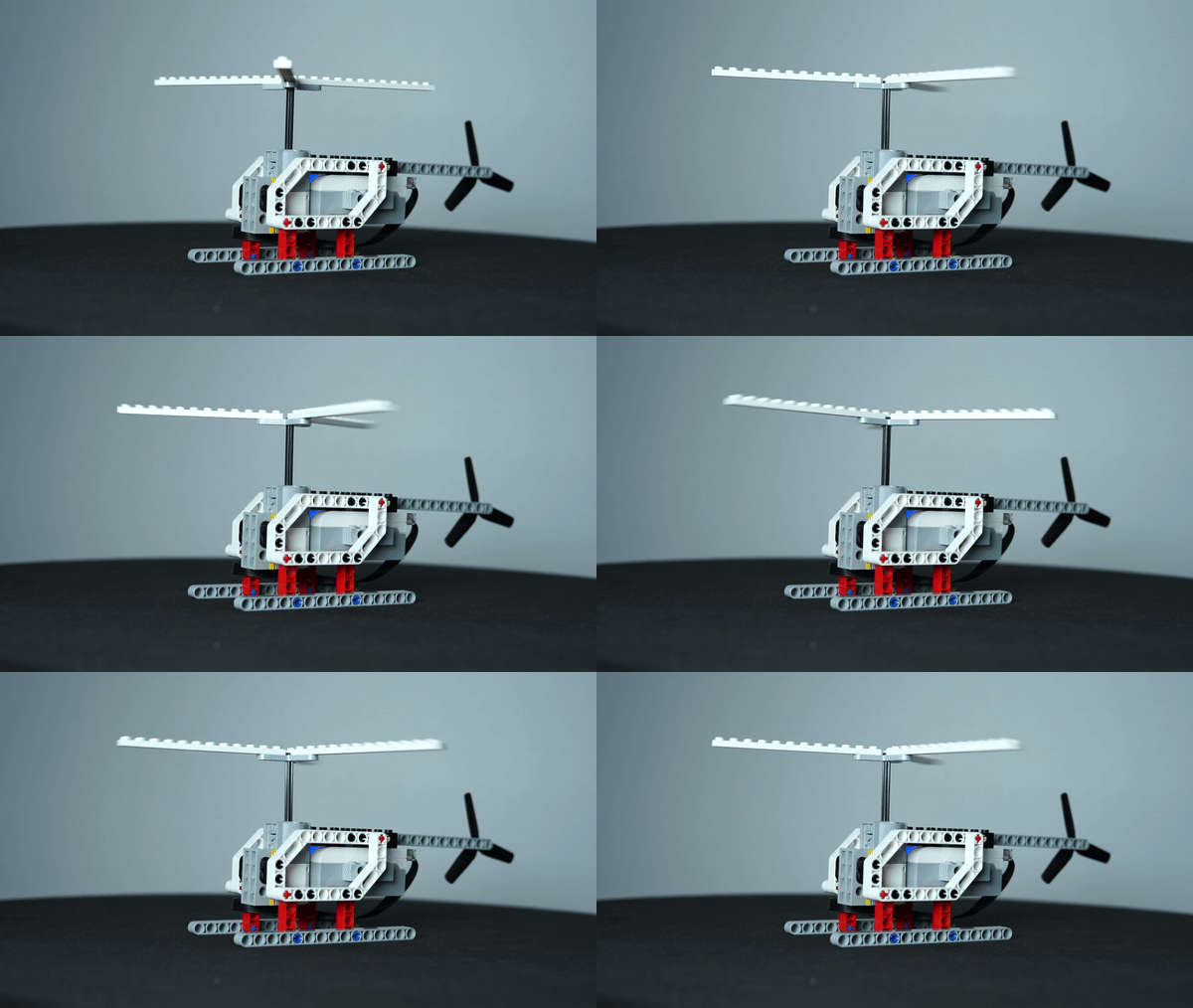
Robot Academy, Jr. adds code and sensors to mechanical thinking. Children build three robots each month, then program them to move, respond, and complete a task.
Most projects begin with a physical build and end with a working robotic system. Students connect a motor or sensor, follow the programming sequence, and see how their instructions affect the robot's behavior. As they become comfortable with the equipment, they begin making more decisions, diagnosing problems, and are better able to explain what’s happening.
What the program develops
Foundational programming logic
Understanding of motors and sensor
Mechanical reasoning
Persistence through debugging

Class details
Three one-hour classes monthly
Tuition: $112 per month
With take-home kit: $152 per month


Grades 3 to 5
Robot Academy
More sensors, more powerful programming, and more time to solve a difficult problem. Robot Academy uses the LEGO Spike robotics platform and gives students room to move beyond a single guided build and begin working through increasingly complex robotic systems.
Students use advanced controllers, motors, sensors, and programming tools to connect code to a physical machine they can test in real time. Some projects continue across multiple sessions, allowing students to build, test, and improve the design rather than stopping at the first working result or to allow the building of more complex machines.
Class details
What the program develops
Foundational programming logic
Understanding of motors and sensors
Mechanical reasoning
Persistence through debugging
Confidence working with technology

Grades 3 to 5
Video Game Design with Scratch
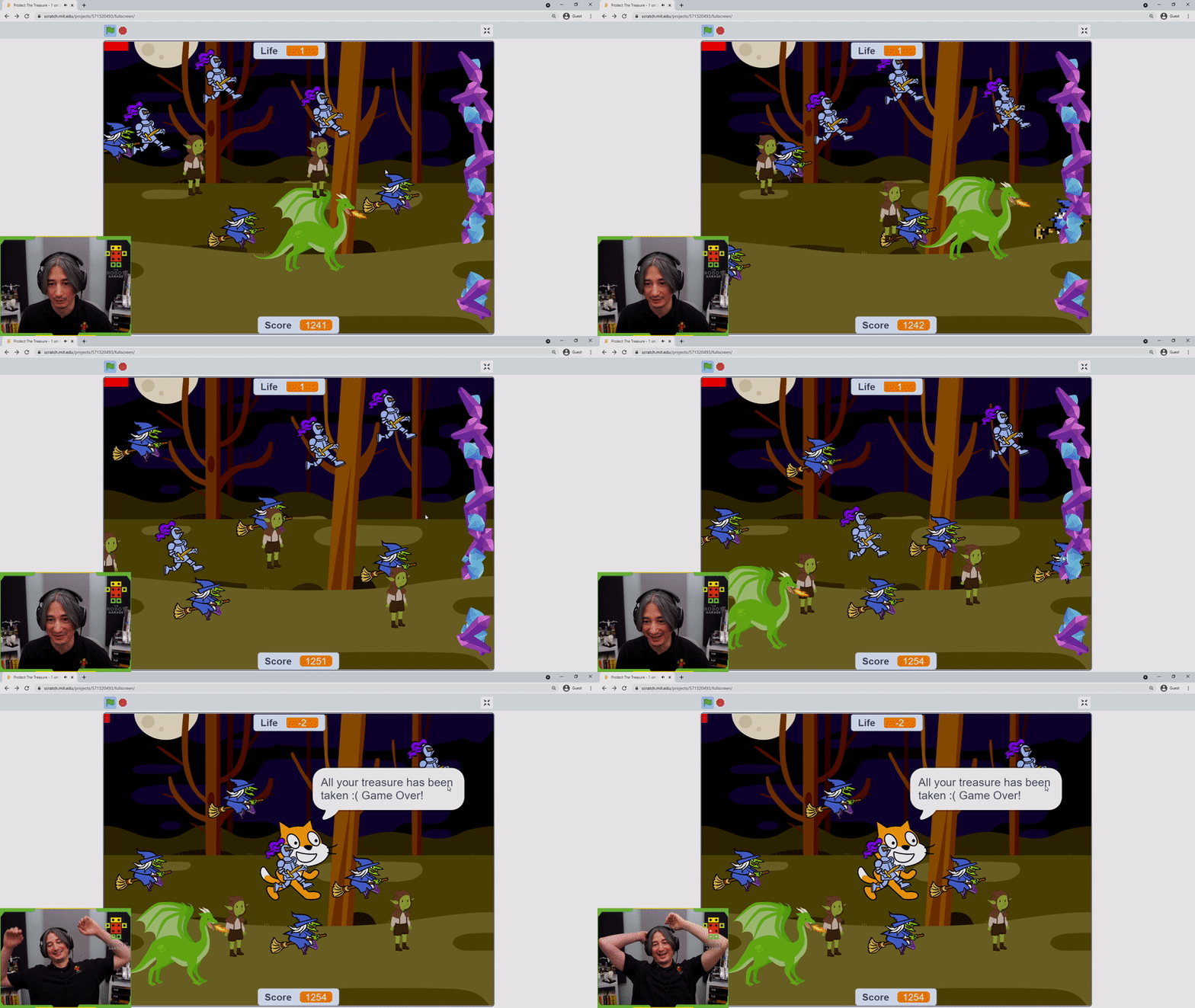
Playing a game and designing one require different kinds of thinking. Using MIT’s Scratch programming environment, students build interactive projects and learn to debug their work by connecting choices in their code to what happens on screen. Instead of stopping at “it’s broken,” they learn to identify what caused an unexpected outcome, make a change, and test again. This process builds patience, focus, and confidence in their ability to solve problems.
What students learn
Events and sequences
Loops and conditionals
Character (sprite) movement and controls
Level design
Testing and debugging
Class details


Grades 4 to 8
Advanced Robotics
Advanced Robotics is a two-part program for students ready for more independent, challenging robotics work. Students begin with a six-week Bootcamp, then move into an ongoing Challenges class where they design, build, program, and test their own solutions.
Bootcamp
Students learn the foundations of building and programming with the LEGO® SPIKE robot during six weekly two-hour sessions. Bootcamp prepares students to work more independently and is normally required before entering Challenges.
Challenges
Students move beyond step-by-step instructions and work through a library of 36 robotics challenges. Given a real-world problem, they consider different ways to solve it, build and test a robot, then look for ways to make their solution more effective or efficient. An experienced instructor guides students through their design choices without taking ownership of the project. Students progress at their own pace, and many continue in Challenges for one to two years because they get so engaged.
What distinguishes this level
Greater programming depth
Longer project timelines
Iterative design and repeated testing
Independent decision-making
Collaboration on technical problems